How Do You Know Something Is Actually Leaking?
Your house talks to you. Most people just are not sure what it is saying. So let's translate a few of the most common signals you might be picking up in your Chatham Hills home right now.
That musty smell? That is not just old house smell. Mustiness means microbial growth, and microbial growth needs moisture. If you walk into a room and your nose says "basement" even though you are on the main floor, water is hiding somewhere nearby. Trust your nose. It is usually right weeks before your eyes catch up.
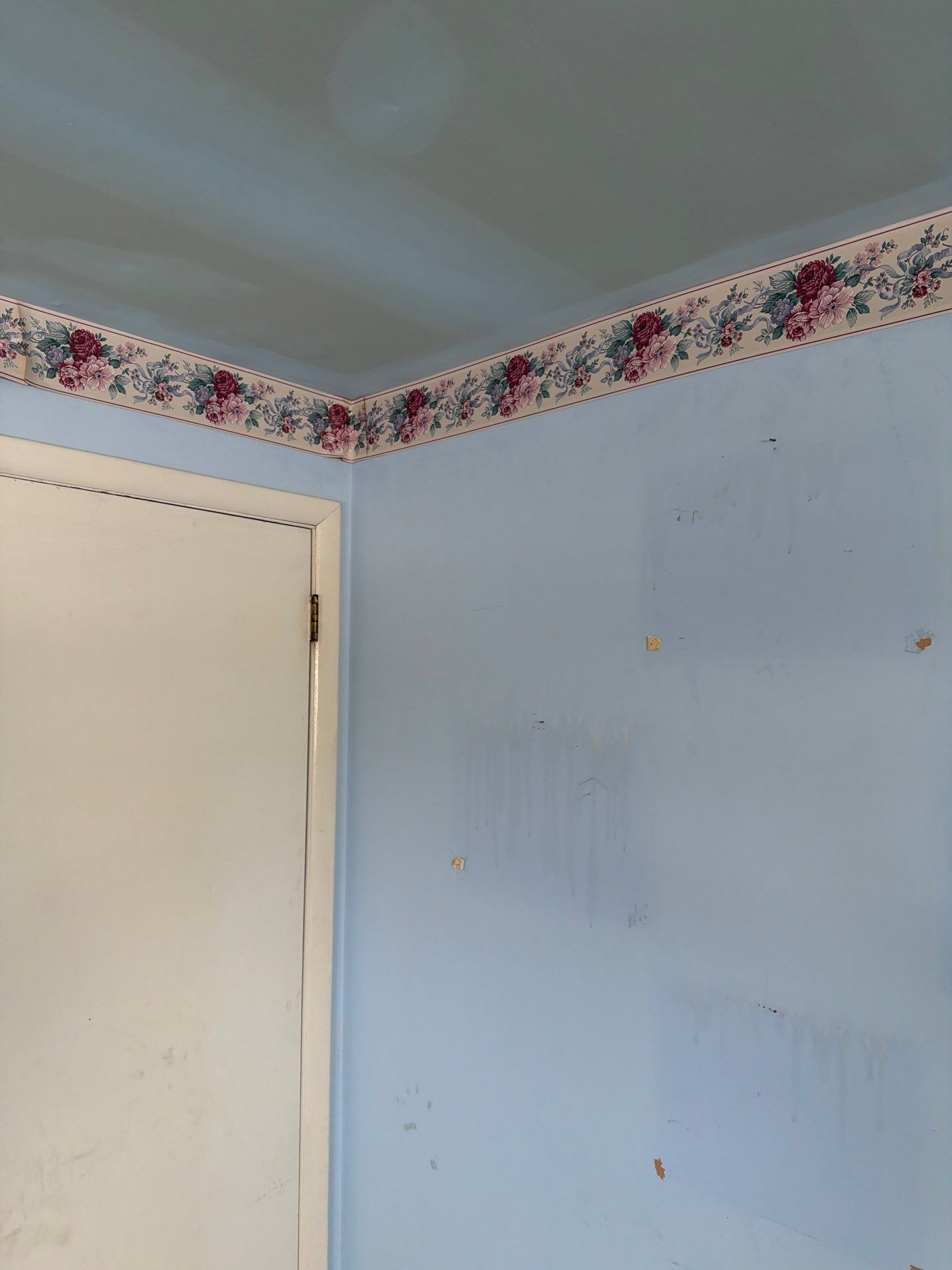
What about those weird stains on the ceiling or wall? You know the ones. They look like a coffee ring or a faint brown halo. Those are tannins from wood framing or drywall paper that got wet, dried, got wet again, and dried again. A single splash does not usually leave a ring like that. Repeated wetting does, which means the leak is ongoing.
Then there is the floor. Vinyl that bubbles or lifts at the seams. Hardwood that cups (edges raised higher than the center). Tile grout that suddenly looks darker in one spot than the rest of the room. Carpet that feels cool or damp near a wall. Any of these things on their own can have other explanations. Two or more together, in the same area? That is your slow leak waving at you.
And do not ignore the boring stuff. A water bill that creeps up without any change in your habits. A water meter that ticks even when every faucet is off. A toilet that runs more than it used to. These are clues that water is going somewhere it should not.
One more thing worth mentioning. Pay attention to where your pets hang out. Cats and dogs will sometimes sniff or paw at a spot on the floor or baseboard that does not look like anything to you. Their noses are way better than ours. If your dog keeps pressing his face into the same corner of the laundry room, go look at that corner. I am not joking. We have had homeowners in Chatham Hills tell us their cat sat next to a kitchen cabinet for two weeks before they finally pulled it open and found a slow drip under the sink.
What Happens When You Call Us Out?
When you call Chatham Hills Water Restoration, we do not show up and start ripping things apart. That is not how this works. A good assessment is detective work before it is construction work. Our crews arrive in most cases within 2 hours, walk the area with you, and start with the least invasive tools first.
We use moisture meters that can read through paint without putting a single hole in your wall. We use thermal cameras to find temperature differences that indicate wet materials behind finishes. If you want to read more about that process specifically, we wrote about moisture mapping with thermal imaging and how it changes what we can see. The goal is to map the actual footprint of the leak before we touch anything.
Why does that matter to you? Because the wet area is almost always bigger than the visible damage. Water travels along the path of least resistance, which usually means down studs, across top plates, and into adjacent rooms. We have opened up walls in Chatham Hills where the visible stain was the size of a dinner plate and the actual wet zone was eight feet wide. If you only fix what you can see, you are leaving the problem in place.
Once we know the footprint, we talk to you about scope. What needs to come out, what can be dried in place, what your insurance is likely to cover, and what it will probably cost. No pressure, no surprises.
Speaking of insurance, here is something a lot of folks do not realize. Most homeowner policies cover sudden and accidental water damage, but they get picky about leaks that have been going for a long time. That is another reason calling early matters. If we can document that you acted as soon as you noticed signs, that helps your claim. If the adjuster sees rotted framing and old staining, they may push back on coverage. We deal with adjusters all the time and can help you put the right paperwork together.
So What Should You Actually Do Right Now?
If you are reading this because something feels off in your house, here is my honest advice. First, find your water shutoff valve and make sure you know how to use it. Second, take pictures of anything that looks suspicious, with dates. Third, do not start cutting into drywall yourself unless you really know what is behind it. You can make a small problem bigger fast.
A few other practical moves while you wait. Move anything valuable away from the suspect area. Pull rugs back so they can breathe. Crack the cabinet doors open under sinks so air can circulate. If you have a dehumidifier, run it in the room. None of this fixes the leak, but it slows the damage while you figure out the next step. Do not crank the heat way up thinking it will dry things out faster either. Warm wet conditions are exactly what mold loves.
If the smell is strong, the stain is growing, or the floor is soft, call somebody who does this for a living. We have a piece on signs of hidden water damage and early detection that goes deeper into the warning signs if you want to do more reading before picking up the phone. And if mold is already part of the conversation, our mold after water damage guide covers what removal actually involves.
The worst slow leak jobs we see are the ones where somebody knew something was wrong six months ago and hoped it would stop on its own. It does not stop. It just gets quieter while it gets worse. The sooner you make the call, the smaller the repair, the lower the bill, and the less of your house ends up in a dumpster on the curb.