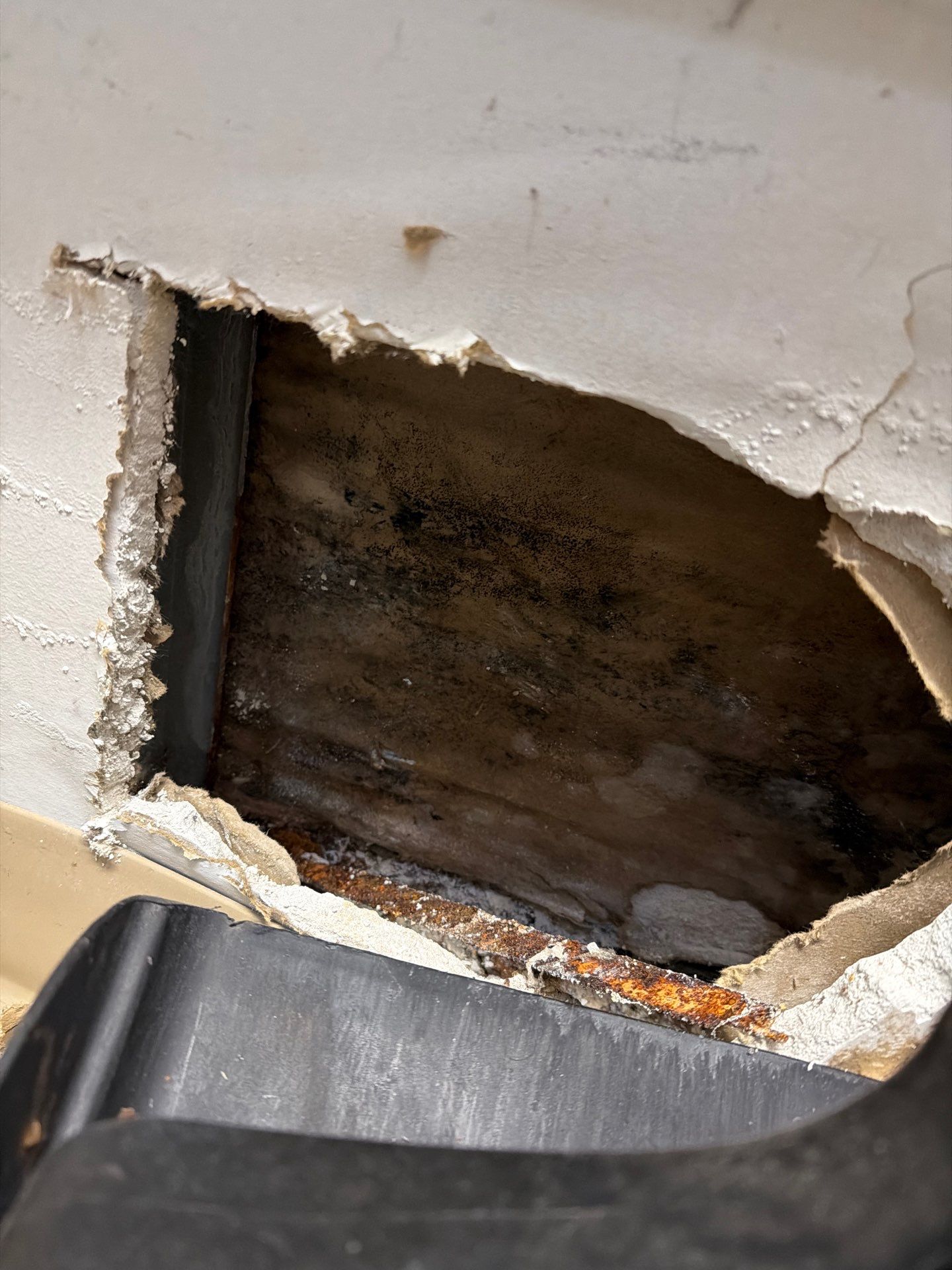
Quick Answer: Mold Remediation Price Ranges
For most Chatham Hills homes, professional mold remediation falls between $1,500 and $6,000. Small isolated jobs can come in under $1,000, and whole home or structural projects can exceed $15,000. The chart below gives you a realistic starting point.
| Project Size | Typical Area | Price Range |
|---|---|---|
| Small | Under 10 sq ft (single wall, vanity, closet) | $500 to $1,500 |
| Medium | 10 to 30 sq ft (bathroom, laundry, single room) | $1,500 to $3,500 |
| Large | 30 to 100 sq ft (basement, multiple rooms) | $3,500 to $7,500 |
| Extensive | Over 100 sq ft or HVAC involvement | $7,500 to $20,000+ |
| Crawl space | Varies by access and depth | $2,000 to $8,000 |
What Is Included in a Professional Mold Estimate
A complete remediation quote from Chatham Hills Water Restoration accounts for every stage of the S520 process, not just the visible cleanup. Here is what you should see itemized on any honest proposal:
- Initial inspection and moisture mapping
- Containment setup (poly sheeting, zipper doors, negative air)
- HEPA air filtration during the job
- Removal of porous materials that cannot be cleaned
- HEPA vacuuming and antimicrobial treatment of framing
- Disposal of contaminated debris in sealed bags
- Post remediation verification (PRV) or clearance testing
- Reconstruction (often quoted separately)
Be cautious of bids that lump everything into a single line item or skip containment entirely. Skipping containment is the most common shortcut that leads to cross contamination of clean areas, and it often results in a second remediation bill within months. A reputable proposal will name the specific antimicrobial product, the HEPA equipment count, and the disposal method.
Cost Breakdown by Line Item
| Service | Typical Cost |
|---|---|
| Inspection and moisture assessment | $0 to $300 (free with Chatham Hills Water Restoration) |
| Containment and air filtration setup | $500 to $1,500 |
| Material removal and bagging | $10 to $25 per sq ft |
| HEPA cleaning and antimicrobial | $8 to $15 per sq ft |
| third party clearance testing | $300 to $600 |
| Reconstruction (drywall, paint, flooring) | Quoted per project |
Insurance and What Is Actually Covered
Most Chatham Hills homeowners policies cover mold only when it results from a sudden, covered water loss, such as a burst supply line or appliance failure. Long term leaks, humidity, and groundwater are typically excluded. Common coverage scenarios include:
- Burst pipe behind a wall (often covered)
- Water heater rupture (often covered)
- Appliance supply line failure (often covered)
- Slow drip under a sink over months (often denied)
- Basement seepage or sump pump failure without endorsement (often denied)
- Flood from outside groundwater (requires flood policy)
Many policies also cap mold coverage at $5,000 or $10,000 regardless of the underlying water cause, so check your declarations page before assuming a full payout. Endorsements that raise that cap are available from most carriers for a modest annual premium.
For a deeper look at filing strategy, review our guide on how to file a water damage insurance claim. Chatham Hills Water Restoration documents moisture readings, photos, and scope in the format adjusters expect, which speeds approval.
How to Get an Accurate Number for Your Home
Phone estimates are guesses. A real number requires eyes on the property. When Chatham Hills Water Restoration visits a Chatham Hills home, the assessment includes moisture meter readings, thermal imaging where appropriate, visual inspection of suspect cavities, and a written scope you can compare to other bids. For active water losses, a crew can typically be on site within 2 hours of your call. The assessment is free, and you are under no obligation to book.
Factors That Drive Your Price Up or Down
Two Chatham Hills homes with the same square footage can land at very different prices. The biggest variables are:
- Mold type and growth stage. Surface mildew on tile is cheaper than embedded Stachybotrys on drywall.
- Material involved. Drywall, carpet pad, and insulation are removed and replaced. Concrete, tile, and sealed wood can often be cleaned.
- Hidden moisture source. If a plumbing leak or roof issue is still active, that repair becomes part of the scope.
- Accessibility. Crawl spaces, attics, and behind wall cavities take longer and cost more.
- HVAC contamination. Duct cleaning and coil treatment add $500 to $2,500.
- Testing requirements. Insurance or real estate transactions often require pre and post clearance samples.
- Project timeline. Rush jobs tied to a closing date or tenant move in can carry a premium for added crew hours.
- Local disposal rules. Some Chatham Hills transfer stations charge extra for bagged microbial waste.
If the mold appeared after a recent leak or flood, it helps to understand the connection between moisture timing and growth. Our overview of how fast mold grows after water damage explains why early water mitigation often prevents a larger remediation bill altogether.
Testing Costs and When They Are Worth It
Air and surface testing is not always required, but in certain cases it protects you. Consider testing when:
- Occupants have respiratory symptoms or allergies
- You smell mold but cannot locate it
- You are buying or selling the home
- Insurance is funding the remediation
- You want documented proof the work succeeded
Our breakdown of pre and post remediation air testing explains when each sample type makes sense. Expect $300 to $600 per round of sampling through an independent industrial hygienist. Always use a third party for clearance, not the same company that performed the remediation, to avoid any conflict of interest.
Ways to Reduce Your Remediation Bill
You cannot cut corners on containment or disposal without creating bigger problems, but there are legitimate ways to lower the total cost. Address the moisture source before remediation begins so the crew is not waiting on a plumber. Move stored items out of the work zone yourself, since labor to pack and protect contents is billed by the hour. Bundle reconstruction with the remediation contractor when possible to avoid scheduling gaps. Finally, ask whether partial demolition is appropriate. In some cases, only the lower two feet of drywall needs removal, which is far cheaper than a full wall tear out.